

Wound Care & Pressure Management
The best wound is no wound at all. Access’ innovative, community-based, interdisciplinary team approach to wound prevention and treatment for injured workers, including those with spinal cord injury supported by WorkSafeBC has been in place since 2011.
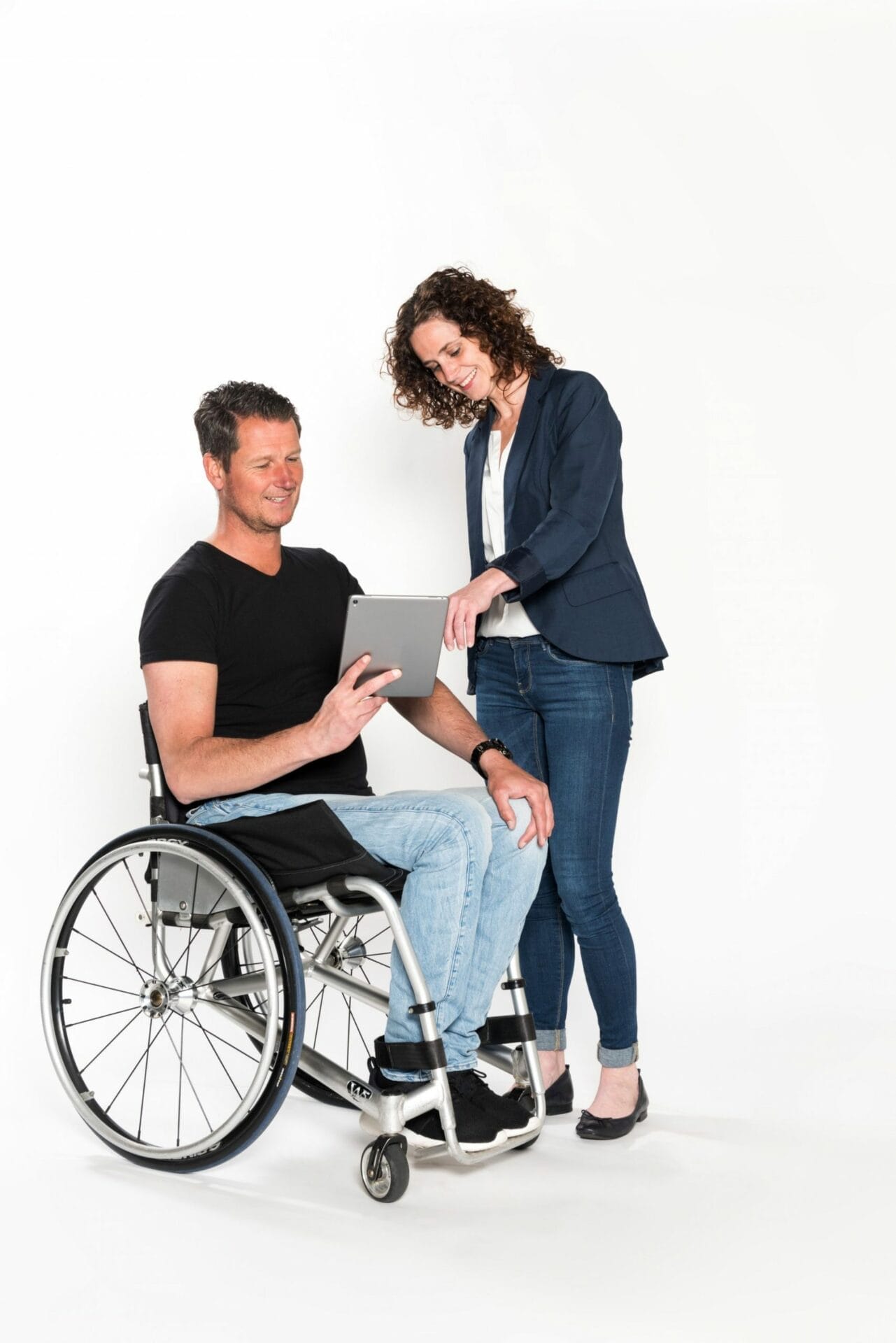

In pressure management and wound care, prevention is key. Our unique preventative team approach, published in peer-reviewed research, has been proven to reduce incidence and severity of wounds in persons with spinal cord injury and other populations at high risk. Designed to foster a safe, fulfilling life after injury this model includes assessment and treatment with ongoing, collaborative, home-based consultation for persons with spinal cord injury.
When a referred client has a wound, the team develops a wound care protocol, ensures that the cause of the wound is removed, and provides a plan for return to wound-free status and prevention of recurrence.
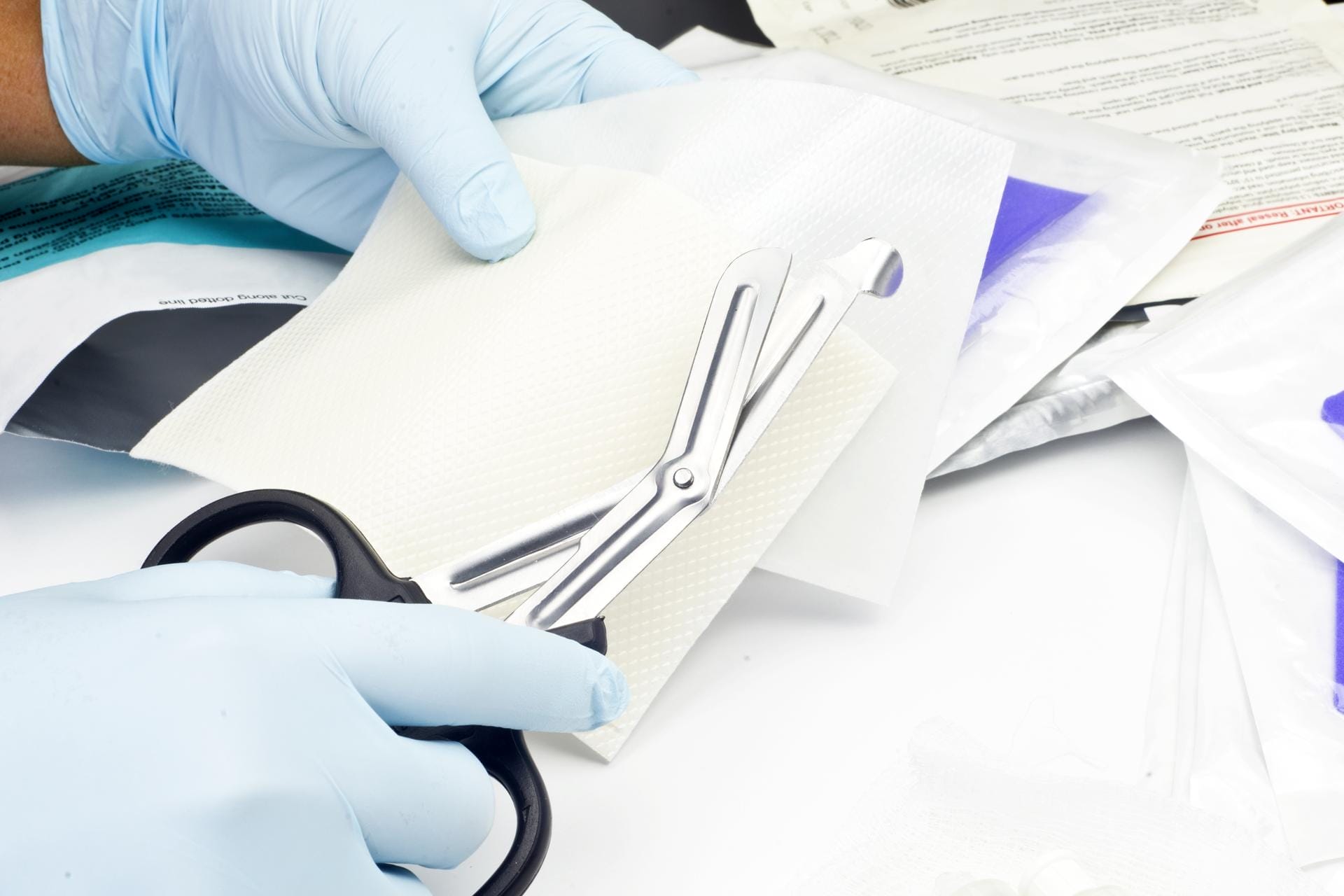
Our team of certified wound care nurses, occupational therapists, and physical therapists provides the following services:
- Comprehensive interdisciplinary in-home assessment
- Health systems review
- Skin health assessment, wound assessment and description
- Physical and functional review
- Review of all adaptive equipment
- Pressure mapping of all surfaces (wheelchair, bed, vehicle, other)
- Determination of risk of pressure injury to guide future intervention
- Interdisciplinary recommendations to promote wound prevention, health, safety, quality of life
- Individualized wound prevention education
- Consultation with community healthcare team members
- Prescription of specialized wheelchair seating and other support surfaces,
- Adaptive equipment and environmental modifications for safe accessibility
- Training of care staff in wound prevention and treatment
- Review of home exercise programs
- Assignment of Rehab Worker as indicated for exercise and functional activities